





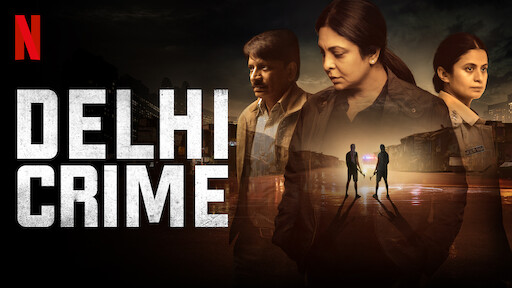

INTRODUCTION – NOT JUST A SHOW, BUT A SOCIETAL AUTOPSY
Delhi Crime is not entertainment. It’s confrontation. Based on real cases, and told with unnerving restraint, this Netflix original series created by Richie Mehta doesn’t offer shock value. It offers shame, reflection, and quiet devastation.
Season 1 deals with the 2012 Nirbhaya gang rape case — an event that didn’t just shake India, but exposed the rot within. Season 2 shifts gears but not tone — focusing on a fictionalized interpretation of the Kachcha Baniyan gang murders, loosely based on true events. It explores how class rage, systemic marginalization, and societal neglect can fuel violence just as brutal.
Together, both seasons make one thing painfully clear:
It’s not just about who committed the crime. It’s about the society that made it inevitable.

SEASON 1 – THE NATION THAT FAILED NIRBHAYA BEFORE HER RAPISTS EVER TOUCHED HER
We all remember it. The bus. The brutality. The headlines. The protests.
We lit candles. We screamed. We demanded death penalties.
But Delhi Crime goes beyond the news cycle. It enters the gut-wrenching 7-day investigation that led to the arrest of the perpetrators — a manhunt pulled off by an underfunded, overworked, emotionally drained Delhi Police team, led by fictional DCP Vartika Chaturvedi (Shefali Shah in a career-defining role). The show doesn’t glamorize the police. Nor does it vilify them. It presents them as human beings caught in a system designed to fail, trying to deliver justice in a city that routinely forgets how to spell it. More importantly, Season 1 refuses to reduce the rapists to monsters.
Why? Because they weren’t anomalies. They were ordinary men, born of our everyday misogyny. They were byproducts of a society that teaches boys that women are objects, not people. And so, the show becomes less about those six men and more about the thousand micro-aggressions every Indian woman faces every day.
MISOGYNY ISN’T A SHADOW. IT’S A STRUCTURE.
We say we love our daughters. Then we marry them off at 18.
We cheer women in politics, sports, and cinema — but we question their morals the moment they claim space. Nirbhaya wasn’t just raped on a bus. She was betrayed by a nation that taught her rapists she didn’t matter.
The deeper tragedy?
Nothing much has changed.

SEASON 2 – RAGE OF THE INVISIBLE, VENGEANCE OF THE FORGOTTEN
Season 2 is subtler, but no less chilling.
Here, the Delhi Police faces a series of brutal murders targeting elderly elite couples. The killings are savage, ritualistic — a chilling echo of past fears: the Kachcha Baniyan gang, remembered for their chaotic, often caste-tinted violence in northern India. This time, the threat isn’t from a few sociopathic individuals. It’s from a social undercurrent — disenfranchised, overlooked, and dehumanized. People pushed so far out of the social fabric that the only way they can be seen is through blood.
Where Season 1 is about misogyny and gender-based violence, Season 2 is about class war — and the sheer discomfort of admitting that our safety often rests on the backs of those we ignore.
The maids. The sweepers. The delivery boys. The invisible army that makes elite Indian life livable.
When they turn — when they snap — we call it savagery. But the show subtly asks:
Was it justice denied that turned into vengeance claimed?

POLICING VS JUSTICE – A LOSING BATTLE
DCP Vartika returns in Season 2, this time dealing not just with killers, but with public opinion, political pressure, and institutional betrayal. Her battle isn’t just to solve the case — it’s to preserve her moral compass. That’s what Delhi Crime understands so well — that police work in India isn’t about law enforcement. It’s about moral endurance. Because sometimes, you catch the killer and still lose the war.
THE PERFORMANCES – NOTHING SHORT OF EXCELLENT
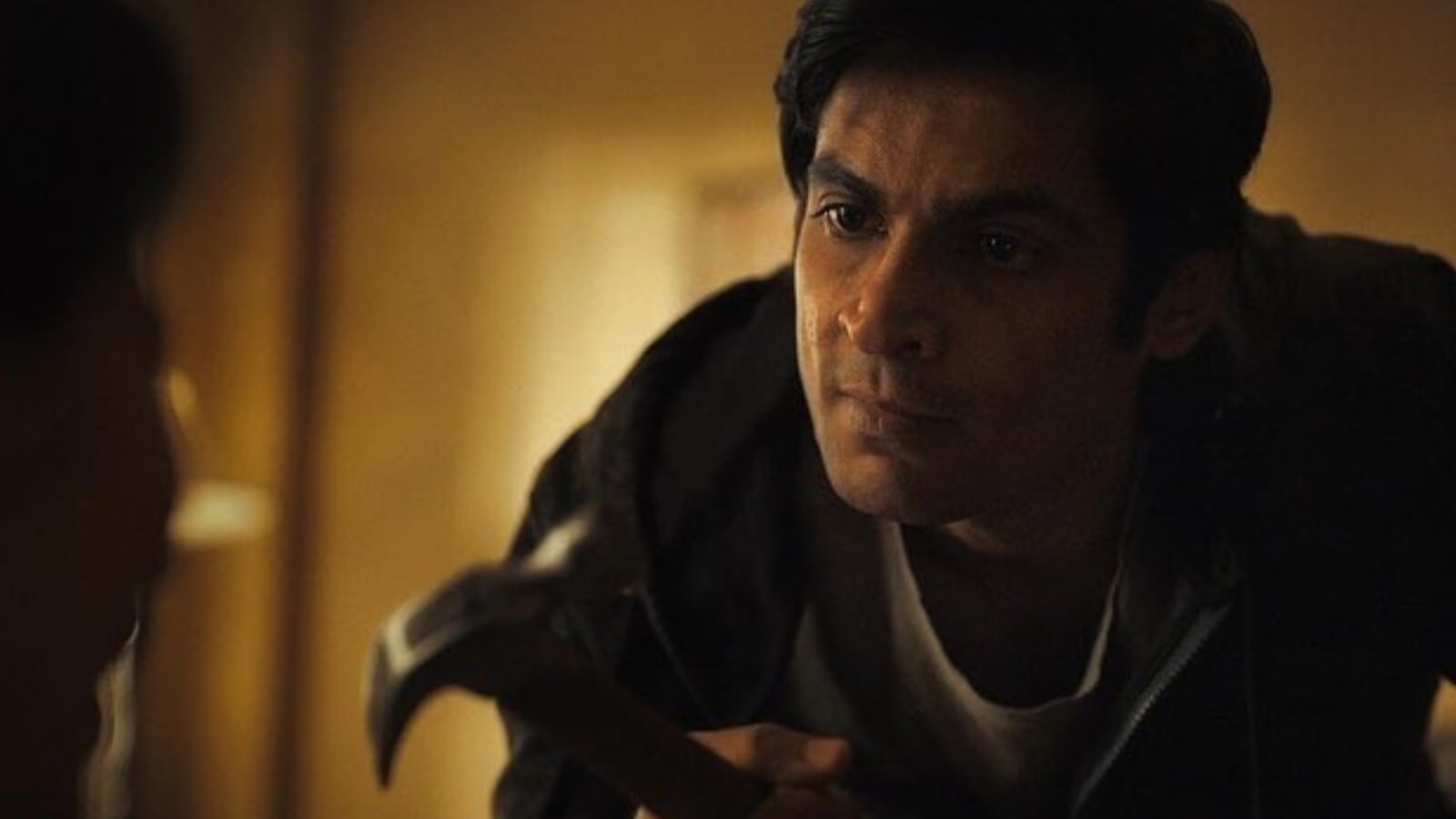
Shefali Shah doesn’t act. She embodies. Her every glare, every pause, every breakdown is internalized power. Rajesh Tailang and Rasika Dugal bring restraint and heartbreak. The ensemble cast — from suspects to survivors — never once feels like they’re “playing” anything. They are just real.
And the direction? Unobtrusive. Clinical. No swelling music. No slow-motion drama. Just cold, hard atmosphere.

Both seasons of Delhi Crime are brilliant — but they are also devastating.
They don’t ask “Who did it?” — they ask “What made this possible?”
They don’t glorify crime-solving — they expose the trauma of carrying a nation’s weight.
They don’t offer clean endings — they offer painful truths.
- India is a country where women walk with their keys between their fingers — and we still ask what time they were out.
- India is a country where the poor clean our houses — and we still look at them with suspicion.
- India is a country that watched Nirbhaya die — and still blames her for being brave enough to live freely.
JAY’S VERDICT
This isn’t television – it is a diagnosis. If you’re looking for truth, not escape — this is essential viewing. Just be prepared to be haunted.